Source Dual Screen Touch Laptop for Home, School, and Office
Explore 30 listings for the dual screen touch laptop featuring Intel N100/N150 processors, 16GB RAM, and SSD storage. Buyers can compare specifications like screen sizes, battery life, and operating systems to find the right device for home, student, or business use.
Key considerations
Products List


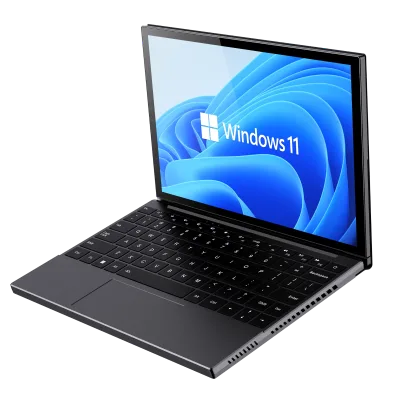
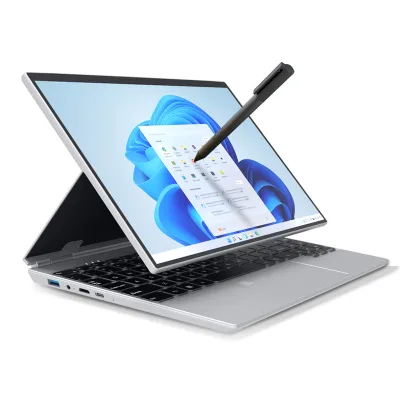




Comprehensive Sourcing Guide
Dual Screen Touch Laptop Sourcing Guide
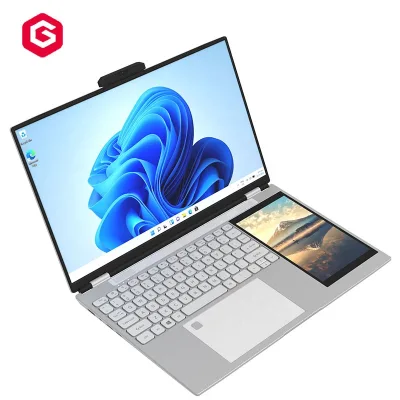
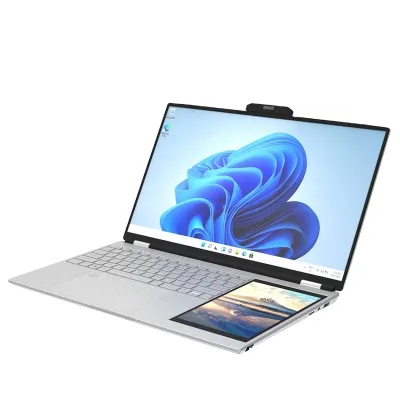
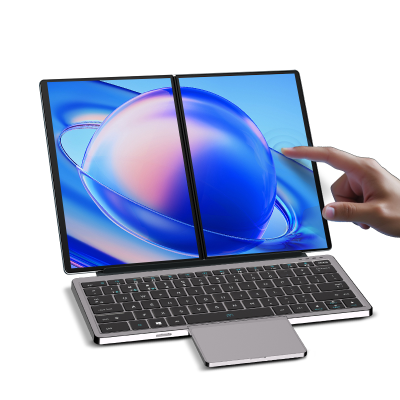
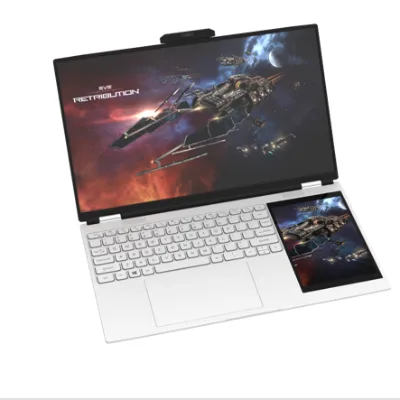
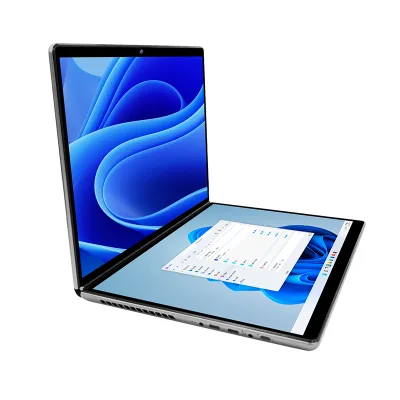
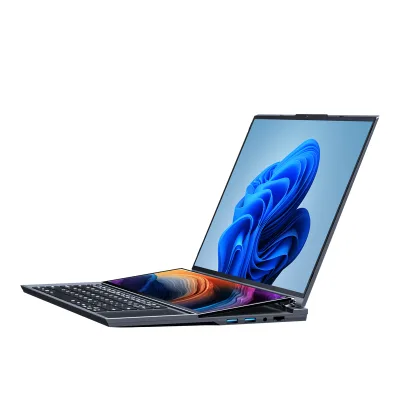
Sourcing dual screen touch laptops requires a nuanced understanding of hybrid form factors that blend traditional computing with mobile versatility. These devices typically feature a primary display paired with a secondary touchscreen, often positioned below the keyboard or as a detachable companion panel. Buyers must distinguish between true dual-screen clamshell designs and laptops with attached secondary displays, as the mechanical integrity and software optimization differ significantly. The presence of touch capability on the secondary screen adds a layer of complexity regarding driver compatibility and user interface adaptation, which is critical for productivity-focused workflows.
Procurement teams should evaluate the specific use cases that drive demand, such as digital art creation, extended spreadsheet management, or immersive media consumption. The dual-screen configuration allows for multitasking without the need for external monitors, making these units attractive for remote workers and creative professionals. However, the added weight and battery drain associated with powering two displays must be weighed against the productivity gains. Understanding the target user’s interaction model is essential, as touch interfaces require different ergonomic considerations compared to traditional mouse and keyboard inputs.
Product Scope and Observed Listing Signals
Market listings for dual screen touch laptops reveal a distinct range of specifications that buyers must navigate carefully. Observed data indicates a price range of $123.8 to $2,500 USD, reflecting variations in component quality and brand positioning. The minimum order quantity (MOQ) typically spans from 1 to 20 units, suggesting flexibility for both individual procurement and small-scale corporate deployments. Listings frequently highlight key attributes such as the Intel N150 or N100 processors, 16GB of built-in RAM, and SSD storage options ranging from 128GB to 1TB. These specifications suggest a focus on mid-range performance suitable for office tasks and light multimedia editing.
Visual and physical attributes are also prominent in product descriptions, with many units featuring a 15.6-inch primary IPS display and a secondary 7-inch touch screen. The body material is often cited as metal, contributing to a premium feel, while the weight is reported around 2 to 2.5 kilograms. Buyers should note that some listings mention a 15.6-inch plus 7-inch dual-screen configuration, which implies a specific mechanical design. It is crucial to verify whether the secondary screen is integrated into the chassis or serves as a separate peripheral, as this impacts portability and durability.
Technical Specifications to Verify
Processor performance is a critical verification point, with listings citing Intel N150 and N100 quad-core chips operating at frequencies up to 2.50GHz. These processors are designed for efficiency rather than high-end computational tasks, making them suitable for general office applications and web browsing. Buyers must confirm the actual thermal management solutions, as dual screens can increase power consumption and heat generation. The integrated Intel UHD Graphics are adequate for standard display outputs but may struggle with intensive graphical workloads. Verifying the actual sustained performance under load is necessary to ensure the device meets operational expectations.
Memory and storage configurations vary, with 16GB of built-in RAM being a common feature, paired with M.2 SSDs from 128GB to 1TB. The presence of dual-band Wi-Fi and Bluetooth connectivity is standard, though buyers should verify the specific Wi-Fi standards supported, such as 802.11b/g/n or newer variants. The operating system is typically Windows 10 or 11, which is essential for software compatibility. Additionally, the camera specifications, often listed as 0.2MP, may be insufficient for professional video conferencing, prompting buyers to consider external webcam solutions. Battery capacity is another key metric, with some units offering 5000mAh lithium-ion batteries providing 3-5 hours of working time.
Compliance and Safety Documentation
Regulatory compliance is non-negotiable for international procurement, requiring verification of safety and electromagnetic compatibility certifications. Buyers must ensure that the devices meet the electrical safety standards of the destination market, such as CE for Europe or FCC for the United States. These certifications confirm that the power adapters and internal components do not pose electrical hazards or excessive interference. Without explicit documentation, buyers risk customs delays or product rejection. It is advisable to request test reports from accredited laboratories to validate compliance claims, especially for devices with dual-screen mechanisms that may involve complex power distribution.
Data privacy and security features are also part of the compliance landscape, particularly for business-oriented models. Buyers should verify if the devices include hardware-level security features, such as TPM modules, to protect sensitive corporate data. The operating system licensing must be legitimate and pre-activated to avoid legal issues related to software piracy. Additionally, environmental regulations regarding hazardous substances, such as RoHS, should be confirmed to ensure the devices are manufactured responsibly. Proper documentation in these areas protects the buyer from liability and ensures smooth integration into corporate IT environments.
Cost Drivers and Commercial Terms
The cost of dual screen touch laptops is influenced by several factors, including the processor tier, storage capacity, and build quality. Listings show a wide price variance, driven by the inclusion of premium materials like metal bodies and high-resolution IPS panels. Buyers should analyze the total cost of ownership, which includes potential expenses for additional accessories, extended warranties, and software licenses. The observed MOQ range of 1-20 units allows for flexible purchasing, but bulk orders may offer better pricing leverage. Understanding the cost structure helps in budgeting for large-scale deployments or pilot programs.
Commercial terms such as warranty and after-sales service are critical components of the procurement agreement. Most listings offer a one-year warranty, but the scope of coverage varies, with some providers offering return and replacement services. Buyers should clarify the process for handling defective units, including who bears the shipping costs for returns. Lead times and production capacity should be discussed to ensure timely delivery, especially for urgent orders. Negotiating favorable payment terms, such as partial upfront payments, can mitigate financial risk. Clear communication regarding these terms prevents misunderstandings and ensures a smooth transaction.
Supplier Qualification and Quality Control
Supplier qualification is the first step in mitigating procurement risk, requiring a thorough assessment of the manufacturer’s capabilities and reputation. Buyers should verify the supplier’s business license, production facilities, and quality management systems. Factories located in regions like Guangdong, China, often have established supply chains, but due diligence is necessary to ensure consistent quality. Requesting samples before placing bulk orders allows buyers to evaluate the build quality, screen responsiveness, and overall performance. This step is crucial for identifying potential defects or inconsistencies in the dual-screen mechanism.
Quality control processes should be clearly defined, including incoming material inspections, in-process checks, and final product testing. Buyers should inquire about the supplier’s defect rate and their procedures for handling non-conforming products. Implementing a pre-shipment inspection can provide an additional layer of assurance, verifying that the delivered goods meet the agreed specifications. Establishing a clear communication channel with the supplier’s quality team facilitates rapid resolution of any issues that arise. A robust quality control framework ensures that the procurement process yields reliable and high-performing devices.
Long-Term Procurement Checks
Long-term procurement success depends on continuous monitoring of supplier performance and product reliability. Buyers should establish key performance indicators (KPIs) to track delivery times, defect rates, and customer satisfaction. Regular feedback loops with end-users can provide valuable insights into the device’s performance in real-world scenarios. If issues arise, such as screen flickering or battery degradation, buyers should work with the supplier to implement corrective actions. Maintaining a relationship with the supplier can also facilitate access to future product updates and improvements.
Software support and driver availability are critical for the longevity of dual screen touch laptops. Buyers should verify that the supplier provides ongoing driver updates for the operating system and touch functionality. As software environments evolve, compatibility issues may arise, requiring timely patches from the manufacturer. Additionally, the availability of spare parts, such as replacement screens or batteries, should be confirmed to extend the device’s lifecycle. Proactive management of these factors ensures that the procurement investment yields sustained value and minimizes downtime for users.
FAQs
What is the screen configuration of this dual screen laptop?
This laptop features a 15.6-inch main IPS screen paired with a 7-inch secondary touch display. The primary screen offers 1920 by 1080 resolution, while the secondary screen provides 1920 by 800 resolution for extended multitasking capabilities.
Which processor powers this dual screen touch laptop model?
The device is powered by an Intel N150 quad-core processor running at a main frequency of 2.50GHz. This CPU ensures efficient performance for home, student, and business tasks while maintaining low power consumption during daily operations.
How much RAM and storage does this laptop include?
It comes with built-in 16GB RAM and supports SSD storage options ranging from 128GB up to 1TB. The storage uses M2-2280 format, allowing users to select capacity based on their specific data storage needs and budget constraints.
Can this laptop run Windows 10 or Windows 11 operating systems?
Yes, the system supports both Windows 10 and Windows 11 operating systems for flexible software compatibility. This ensures users can run standard applications and benefit from the latest security updates and interface improvements available on these platforms.
What is the battery life and capacity of this device?
The laptop includes a 7.4V Lithium-ion polymer battery with a capacity of 5000mA. This configuration provides approximately 3 to 5 hours of working time, suitable for short meetings or mobile productivity sessions away from power outlets.
Does this laptop have a backlit keyboard and webcam?
Yes, it features a backlit keyboard for typing in low-light environments and includes a 0.2MP plug-in camera. The camera supports 30 fps high-definition video, making it functional for basic video conferencing and online communication needs.
Where is this dual screen laptop manufactured and what is the warranty?
The product originates from Guangdong, China, and comes with a standard 1-year warranty. This warranty covers manufacturing defects, providing buyers with assurance regarding the quality and durability of the metal body and internal components.